Why Selling Your Home in California Without a Realtor Is a Risky Bet: 12 Reasons to Hire a Professional

Why Selling Your Home in California Without a Realtor Is a Risky Bet: 12 Reasons to Hire a Professional
by Zack Wooster, REALTOR® | DRE # 02249351 | Born Real Estate & Property Management
Every year, homeowners across San Mateo County look at their home’s value, do the math on a 2.5% to 3% listing commission, and decide to sell it themselves. I understand the appeal. On a home worth well over a million dollars, the commission looks like a lot of money. But the question isn’t how much you pay an agent. It’s how much you keep after the price, the terms, the legal risk, and the stress are all accounted for. Here is what I want every Peninsula homeowner to know before listing on their own.
THE NUMBERS TELL A STORY
According to the National Association of REALTORS® 2025 Profile of Home Buyers and Sellers, only 5% of recent home sales were for-sale-by-owner (FSBO), a historic low. In that survey, FSBO homes sold for a median of $360,000, compared with $425,000 for agent-assisted sales, about an 18% gap. About 64% of FSBO sellers said they did not achieve the price they wanted, and about 40% didn’t actively market their home at all. The sellers who went it alone said the hardest parts were pricing, preparing the home, and selling within their planned timeframe.
Two honest caveats. NAR is a real estate trade organization, and FSBO homes aren’t identical to agent-listed homes. Many FSBO sales are to a friend, relative, or neighbor, and the survey covers the whole country, not just the Bay Area. Still, the pattern is consistent: the things agents are trained to do, such as pricing, marketing, and negotiating, are exactly where solo sellers struggle most. And in a market like ours, where a single percentage point can be $15,000 or more, small mistakes get expensive fast.
12 REASONS TO HIRE A PROFESSIONAL REALTOR
1. A trained negotiator works for you, and negotiation is where your price is won or lost
Most sellers negotiate a home sale once every decade or so. The buyer’s agent does it every week. A skilled listing agent levels that playing field, and the work goes far beyond haggling over price:
- Reading the buyer. I look for what the buyer needs, whether that’s a fast close, a rent-back, or fewer contingencies, and use it to protect your bottom line.
- Managing multiple offers. I compare offers on net proceeds and risk, not just the headline price, and know when and how to ask for highest and best.
- Staying unemotional. It’s hard not to take a lowball offer or a critical inspection report personally. An agent acts as a buffer and keeps the deal moving.
- Negotiating the terms behind the price. Contingency timelines, repair credits, closing dates, possession, and appraisal gap language can all be worth thousands of dollars.
- Defending your price at appraisal and inspection. When a buyer asks for a credit or a price reduction after the inspection, I use comparable sales, repair estimates, and market conditions to hold your number.
- Protecting you from tactics. Buyer’s agents may test a seller with deadlines, escalation clauses, or requests for concessions. An experienced negotiator recognizes these and responds strategically.
The goal isn’t just a sale. It’s the highest price and best terms you can walk away with.
2. Accurate pricing based on real market data
Pricing is the most important decision in a sale, and it’s the one FSBO sellers say they struggle with most. Price too high and your home sits, goes stale, and eventually sells for less. Price too low and you leave money behind that you can’t get back. On a $1.5 million home, a pricing error of just 5% is $75,000, far more than most commissions. I use comparable sales, current inventory, absorption rates, and neighborhood-level knowledge, not an online estimate, to find the number that attracts strong offers.
3. Legal disclosures done correctly
California has some of the most demanding seller disclosure rules in the country. They include the Transfer Disclosure Statement (Civil Code §1102 and following), the Seller Property Questionnaire, natural hazard disclosures covering earthquake fault zones, seismic hazard zones, flood, and fire hazard severity zones, lead-based paint disclosures on pre-1978 homes, and more. Missing, late, or incomplete disclosures are among the most common sources of post-sale lawsuits (see the cases below). An agent knows which forms apply, delivers them on time, and helps you describe the property’s condition accurately.
4. Protection from legal liability
A good agent doesn’t make your legal responsibilities disappear, but a good agent catches what you’d miss and helps you avoid the mistakes that lead to claims. I’ll walk through the most common liabilities in the next section.
5. Marketing that reaches the whole market
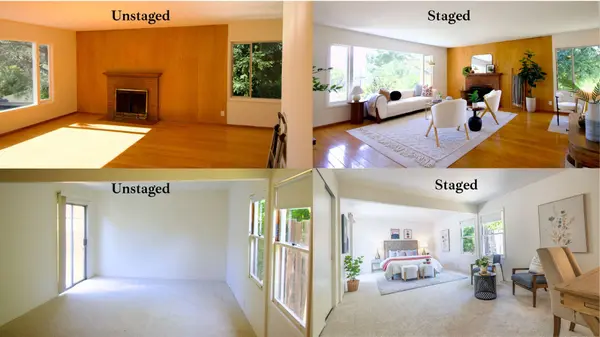
A yard sign and a few phone photos reach a tiny fraction of the buyers who could pay top dollar. Professional photography, video, 3D tours, strategic staging advice, MLS exposure, syndication to major real estate websites, targeted social media, broker previews, and agent-to-agent networking put your home in front of buyers who are actively looking and pre-approved. Remember, roughly 40% of FSBO sellers in the NAR survey didn’t actively market their home at all.
6. Qualified buyers, not just curious visitors
Open houses and private showings put strangers in your home. I screen buyers and their agents, verify pre-approval letters and proof of funds, and coordinate showings so your belongings and your family are safe. Once an offer arrives, I evaluate how likely that buyer is to actually close.
7. Contracts and deadlines handled correctly
A California residential purchase agreement is a long, detailed contract with specific deadlines for contingencies, disclosures, inspections, repair requests, and removals. Missing a deadline or checking the wrong box can cost you a deposit, a deal, or a lawsuit. I draft, review, and track every counter, addendum, and timeline.
8. Inspection and repair negotiations
When the inspection report arrives, the buyer’s requests can feel overwhelming. I help you decide what to fix, what to credit, and what to decline, using quotes from trusted contractors. I can also recommend a pre-listing inspection so surprises don’t derail the deal later.
9. Appraisal and financing challenges
A low appraisal, a lender delay, or a buyer’s changed financing can unravel a sale in the final weeks. I know how to challenge an appraisal with comparable sales data, how to renegotiate if needed, and how to keep the lender, escrow, and title moving.
10. Escrow, title, and closing coordination
Between escrow, title, lenders, inspectors, appraisers, HOA management companies, and the buyer’s side, a transaction involves dozens of moving parts. I coordinate every one so you don’t miss a signature, a document, or a closing date.
11. A trusted network of professionals
Stagers, photographers, contractors, handymen, inspectors, cleaners, movers, title officers, escrow officers, lenders, and real estate attorneys are all a call away. These relationships can save you time and money, and they’re hard to build on your own.
12. Fair housing compliance and a clear picture of today’s commission rules
Fair housing laws apply to how you advertise and show your home, and violations can be unintentional. Wording in an ad or an offhand comment during a showing can trigger a complaint. On the commission side, rules changed in 2024. Buyer representation agreements are now required, and buyer’s agent compensation is negotiable. I’ll explain exactly how compensation works, what’s negotiable in your situation, and how every option affects your net proceeds, so there are no surprises.
COMMON LEGAL LIABILITIES HOMEOWNERS RUN INTO
When sellers go it alone, they take on the full weight of California’s disclosure and contract rules. These are the issues that most often lead to disputes:
- Incomplete or inaccurate disclosure statements. Checking “no” when the answer is “yes,” or leaving out a known problem, can lead to claims of misrepresentation, concealment, or negligence.
- Hiding behind “as-is.” Selling a home as-is does not protect you from liability for known material facts the buyer couldn’t discover on their own.
- Past repairs and water intrusion. Leaks, mold, drainage, and foundation or soil problems, even if repaired, are among the most litigated categories of disclosure.
- Unpermitted work. Additions, conversions, and remodels done without permits are a frequent source of claims and can affect value, insurance, and financing.
- Non-physical facts. Neighborhood disputes, nearby construction, prior deaths or crimes, and pending litigation can be material in some circumstances.
- Natural hazard and lead paint disclosures. Missing statutory notices can expose you to penalties and give the buyer rescission rights.
- Marketing misstatements. Wrong square footage, lot size, bedroom count, or school information in a listing can lead to misrepresentation claims.
- Contract and deadline mistakes. Missed contingency removals, improper cancellations, and deposit disputes often end up in court.
- Fair housing violations. Discriminatory language in ads or during showings, even unintentional, can result in complaints, fines, and lawsuits.
- Late delivery of required forms. Under Civil Code §1102.3, buyers generally have a right to terminate after receiving the Transfer Disclosure Statement late, within three days if it’s delivered in person or five days if by mail.
WHEN SELLERS GET SUED: REAL CALIFORNIA CASES
These published California decisions are the foundation of seller and agent disclosure law. They are cited constantly in real estate litigation.
Lingsch v. Savage - 213 Cal.App.2d 729. One of the first cases to hold that a seller’s duty to disclose extends to the seller’s broker. The court made clear that an “as-is” clause or a no-representations clause in the contract does not protect a seller or a knowledgeable broker who conceals material defects the buyer couldn’t discover.
Reed v. King - 145 Cal.App.3d 261. A buyer purchased a house without being told that a woman and her four children had been murdered there ten years earlier. The seller knew, and allegedly even asked a neighbor not to tell the buyer. The court held that a seller’s duty to disclose isn’t limited to physical defects and can include facts that affect a home’s market value, such as stigma. The buyer was allowed to pursue her claim.
Easton v. Strassburger - 152 Cal.App.3d 90. A buyer purchased a home in the Contra Costa County community of Diablo for $170,000 in 1976. Soon afterward, serious soil problems emerged. The seller’s brokerage was held liable because the agents failed to conduct a reasonable investigation and disclose defects that a competent inspection would have found. The Legislature later codified the ruling, which is why California agents are required to conduct a reasonably competent visual inspection and disclose what they find.
Calemine v. Samuelson (2009). A condo seller disclosed on the Transfer Disclosure Statement that there had been water intrusion. What he did not disclose was that two lawsuits had been filed about that water intrusion. The Court of Appeal reversed the trial court’s ruling in the seller’s favor, reasoning that omitting the lawsuits deprived the buyers of critical context. The lesson: disclosing a problem is not always the same as disclosing the full story.
Posada v. Stone Steps Properties, LLC (2017). A buyer sued over defects and alleged misrepresentation and failure to disclose. The Court of Appeal held that the defendants had a duty to disclose their use of unlicensed contractors and that the failure to do so was a substantial factor in causing the buyer’s damages. The judgment was affirmed as modified, with damages reduced to losses actually tied to the unlicensed work. The lesson: even how repairs were done can be a material fact.
Each of these cases turned on one question: what did the seller know, and did the buyer get to know it too? When you have an experienced agent guiding you through the disclosure process, you’re far less likely to find yourself answering that question in court.
THE BOTTOM LINE
Selling a home is likely the largest financial transaction of your life. Hiring a professional won’t eliminate every risk, and commissions are negotiable, but it gives you a pricing strategy built on data, marketing that reaches the whole market, a trained negotiator in your corner, and a guide through California’s legal requirements. The savings from skipping an agent can disappear with a single pricing mistake, one missed disclosure, or one poorly negotiated counteroffer.
If you’re thinking about selling in San Mateo County, I’d be glad to give you a free, no-obligation home valuation and walk you through exactly what I would do to maximize your net proceeds. You can compare that plan with the do-it-yourself route and make the choice that’s best for you.
Zack Wooster
Realtor & Property Manager
DRE # 02249351
650-229-8529
1055 Alameda De Las Pulgas Belmont, CA
This article is for educational purposes only and does not constitute legal advice. Court cases are summarized in general terms, and outcomes depend on specific facts. For questions about your own situation, please consult a licensed California real estate attorney. Statistics are from the National Association of REALTORS® 2025 Profile of Home Buyers and Sellers.
Categories
Recent Posts