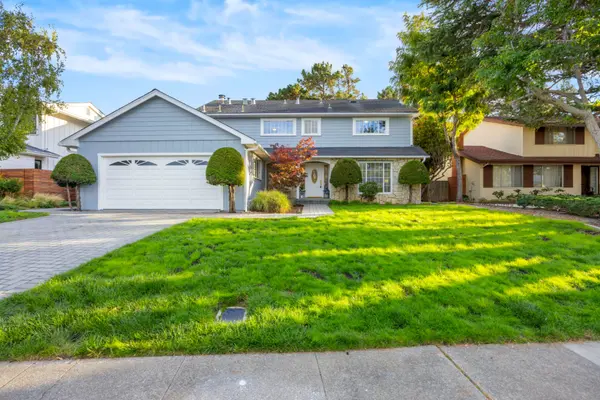
Top 25 Mistakes Homeowners Make When Leasing Their Home (2027 Edition)
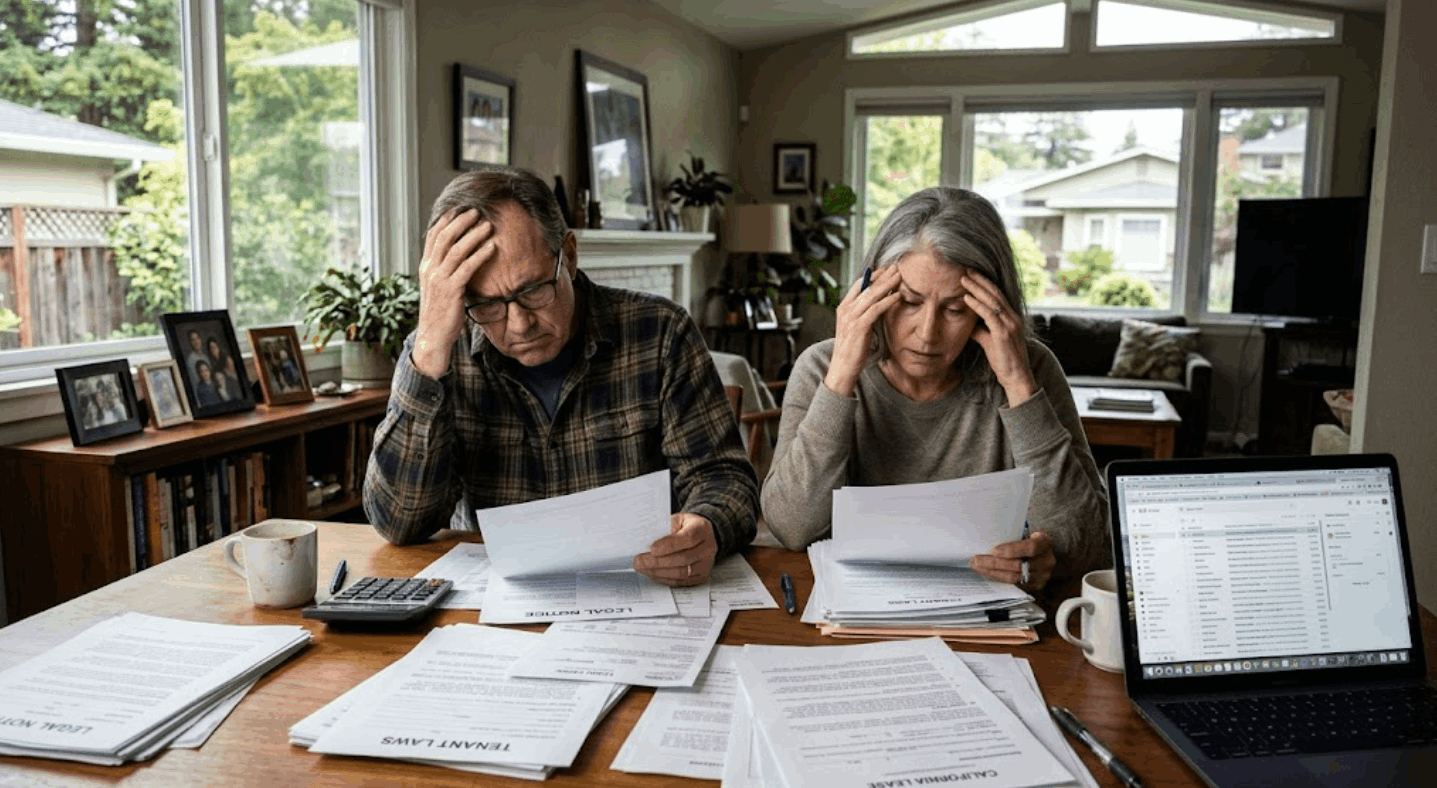
Top 25 Mistakes Homeowners Make When Leasing Their Home (2027 Edition)
by Zachary Wooster | 2027 Edition | Updated November 2, 2026
BORN PROPERTY MANAGEMENT Landlord Education Series | San Mateo County & Greater Bay Area
Across the Bay Area, thousands of homeowners try to lease their properties on their own every year. The appeal is understandable: why pay a management fee when you can post a listing yourself? But California’s landlord-tenant laws are notoriously intricate, and even well-intentioned landlords regularly expose themselves to serious legal and financial risk by missing a procedural step or using an outdated form.
The rules keep moving. A wave of new laws took effect on January 1, 2026, the Legislature has since added more that start January 1, 2027, and one more arrives on April 1, 2027. Most of them don’t announce themselves. There is no letter in the mail, no notice from the county, and no warning until a tenant, an attorney, or a judge points out the problem. This 2027 edition covers what changed in 2026, what’s coming next, and the classic mistakes we still see every month, with a note on why each one is so easy to overlook.
2026 AND 2027 AT A GLANCE
|
Law |
What it changes |
Status |
|
AB 628 |
Working stove and refrigerator required for habitability |
In effect Jan. 1, 2026 |
|
AB 414 |
New rules for returning security deposits, including electronic returns |
In effect Jan. 1, 2026 |
|
SB 610 |
Landlord duties after a disaster, including rent relief during mandatory evacuations |
In effect Jan. 1, 2026 |
|
AB 246 |
Social Security hardship defense in nonpayment evictions |
In effect Jan. 1, 2026 |
|
AB 1414 |
Tenant right to opt out of a bundled internet subscription |
In effect Jan. 1, 2026 |
|
SB 1365 |
The 10% emergency rent-increase limit applies to leases of any length |
Starts Jan. 1, 2027 |
|
AB 2025 |
Disclosure and original photo required for digitally altered or AI-generated images in rental ads |
Starts Jan. 1, 2027 |
|
AB 747 (SPARE Act) |
Stricter service and proof-of-service rules for evictions |
Starts Jan. 1, 2027 (amended by AB 2042) |
|
AB 863 |
Single mandatory eviction summons in six languages |
Form due Jan. 1, 2027 |
|
AB 1892 |
HOAs must repair utility interruptions that begin in the common area |
Starts Jan. 1, 2027 |
|
SB 1296 |
Written pet policy required in listings and applications |
Starts Apr. 1, 2027 |
|
AB 1482 |
New regional rent cap figure replaces the current one |
Increases effective Aug. 1, 2027 |
MISTAKE #1 — NOT UPDATING YOUR LEASE FOR THE NEW APPLIANCE REQUIREMENT (AB 628) | NEW IN 2026
Starting January 1, 2026, a working stove or cooktop and a working refrigerator are part of what makes a rental legally habitable. The rule applies to leases entered into, amended, or extended on or after that date, so every renewal you sign this year pulls an existing tenancy under it. A tenant may agree in writing to supply their own refrigerator (never the stove), but only with the specific lease language the law requires, the tenant can end that arrangement with 30 days’ notice, and you can’t make it a condition of renting. If a stove or refrigerator is subject to a manufacturer or government recall, it must be repaired or replaced within 30 days of your receiving notice.
Why it’s easy to miss: It sounds so obvious that most owners assume they’re already covered. But if your lease is silent on appliances, or your tenant has been using their own refrigerator for years on a handshake understanding, you may be out of compliance without knowing it. The trigger is a lease renewal or amendment, which happens quietly and often without a legal review. A missing or broken appliance can open the door to habitability complaints, rent withholding, and repair-and-deduct claims.
MISTAKE #2 — RETURNING THE SECURITY DEPOSIT THE OLD-FASHIONED WAY (AB 414) | NEW IN 2026
If your tenant paid their deposit or rent electronically, AB 414 makes an electronic return the default, unless you and the tenant agree otherwise in writing, and you must give the tenant written notice of that right. The law also gives landlords and tenants more flexibility to agree on alternative return arrangements and clarifies how to handle a deposit when several tenants are on the lease, including when roommates want to designate how the refund is split. The Legislature also amended parts of the law in April 2026, so deposit-return procedures need to be checked against the current text, not last year’s checklist.
Why it’s easy to miss: Most self-managing landlords return deposits the same way they have for a decade: they mail a check. Add a tenant who paid through an app or portal, plus a couple of roommates who moved out on different dates, and a routine refund becomes a compliance trap. Because deposit disputes are already one of the most common reasons landlords end up in small claims court, every new procedural step adds exposure.
MISTAKE #3 — IGNORING CALIFORNIA’S SECURITY DEPOSIT LIMITS (AB 12)
Under AB 12, which took effect July 1, 2024, the maximum security deposit for nearly all residential rentals in California is one month’s rent, whether the unit is furnished or unfurnished, and that cap covers deposits of every kind, including pet deposits. There is a narrow small-landlord exception allowing up to two months’ rent, but only if the owner is a natural person, an LLC made up solely of natural persons, or a family trust, owns no more than two rental properties with no more than four units in total, and the tenant is not a service member. Collecting even a dollar over the limit can trigger legal action. Tenants may sue for a refund of the excess plus attorney fees, and a deposit withheld in bad faith can expose you to statutory penalties of up to twice the deposit amount.
Why it’s easy to miss: Many homeowners set their deposit amounts years ago, copied the number from their last lease, and never looked again. A deposit that was perfectly legal in 2023 can be a violation today.
MISTAKE #4 — FAILING TO DOCUMENT THE PROPERTY WITH PHOTOS (AB 2801)
California now requires landlords to take photos at three points in the tenancy: before the tenant takes possession, at move-out before any cleaning or repairs begin, and again after all work is completed. The move-out and post-repair photo requirements began April 1, 2025, and the move-in photo requirement followed on July 1, 2025. Those photos must be given to the tenant with the itemized deposit statement. Skip the process, or do it out of order, and you may not be able to justify any deductions, no matter how legitimate the damage.
Why it’s easy to miss: Most owners snap a few pictures on their phone and leave them buried in a camera roll. They take move-out photos after the cleaners have already been, or they have no move-in photos at all because the tenant moved in before the law existed. A system matters here: consistent photos, organized by room, with dates, stored where you can find them.
MISTAKE #5 — MISHANDLING THE SECURITY DEPOSIT RETURN
The rules around returning deposits are strict, and mistakes are expensive. The most common violations are:
- Missing the 21-day deadline. California requires the deposit itemization to be sent within 21 days of move-out, even if repair work isn’t finished. If work is still ongoing, a preliminary itemization is due within 21 days, followed by a final accounting with receipts and photos once repairs are complete.
- Charging for normal wear and tear. Faded paint, minor scuffs, and carpet worn from ordinary use are not deductible, yet many landlords try. This is one of the most litigated issues in California small claims court.
- Using the deposit as last month’s rent. This isn’t permitted unless the lease says so in writing, and even then it creates complications at move-out.
MISTAKE #6 — USING AN OUTDATED AGREEMENT
A handshake agreement or an old lease template from the internet is not a legal strategy. It is a liability. Verbal leases create ambiguity around nearly every term. Outdated written leases carry a different risk: they may include clauses that were once legal but are now unenforceable, or omit provisions that California now requires. In 2027, a compliant lease should address, at a minimum, landlord-supplied appliances, the one-month deposit cap, electronic deposit returns, current notice periods, rent increase limits, and, starting April 1, 2027, your written pet policy. For condos and single-family homes, it should also include the written notice required to claim the AB 1482 exemption. When disputes arise, gaps and conflicts in your lease give tenants leverage, and courts generally read ambiguity against the landlord.
Why it’s easy to miss: Leases age quietly. Nothing forces you to look at yours until something goes wrong, and bolting new clauses onto an old template often creates contradictions with language that was already there.
MISTAKE #7 — OVERLOOKING YOUR NEW POST-DISASTER DUTIES (SB 610) | NEW IN 2026
SB 610 adds landlord responsibilities after a natural disaster. They include relieving the tenant of rent during a mandatory evacuation order (with prepaid rent returned within 10 calendar days after it lifts), handling debris removal, and, in some circumstances, giving the tenant notice when remediation work is complete. The Bay Area isn’t immune. Wildfire evacuations, flooding, storm damage, and earthquakes can all put these rules into play.
Why it’s easy to miss: Nobody plans for a disaster, so very few self-managing owners have a process in place. If an evacuation order lands on a Friday night, you won’t have time to research the law. You’ll need to already know how it affects rent collection, repairs, and tenant communication.
MISTAKE #8 — MISSING THE NEW TENANT PROTECTIONS (AB 246 AND AB 1414) | NEW IN 2026
Two lesser-known 2026 laws catch landlords off guard. AB 246 creates an eviction safety net for tenants whose Social Security benefits are disrupted, which gives them a defense that stays a nonpayment case, although the rent is still owed (the protection is scheduled to end in January 2029). AB 1414 lets tenants opt out of paying for a bundled third-party internet subscription, which matters if you’ve been bundling an internet service into the rent or the lease.
Why it’s easy to miss: Neither law shows up in the usual landlord checklists. The first affects what you do when rent is late, and the second affects line items in your lease. If you serve a notice or bill a service without knowing about them, you can undermine your own case.
MISTAKE #9 — PRICING RENT WITHOUT UNDERSTANDING RENT CONTROL LIMITS
California’s AB 1482 (the Tenant Protection Act) limits annual rent increases on covered units to 5% plus local CPI, capped at 10% total. The ceiling varies by region and resets every August. For increases effective August 1, 2026 through July 31, 2027, the Bay Area figure is reported as 8.8% (5% plus a 3.8% regional CPI), and a new figure replaces it for increases effective August 1, 2027. Confirm the exact percentage for San Mateo County before you send a notice. Increases also require 30 or 90 days’ written notice depending on their size. Many Bay Area cities layer additional local controls on top of state law. Raising rent above the applicable cap, even by a small amount, can result in the increase being voided, back rent owed to the tenant, and significant legal liability.
Why it’s easy to miss: Owners often assume that single-family homes and condos are automatically exempt. They aren’t. The exemption generally depends on who owns the property and on a specific written notice to the tenant. Knowing which cap applies to your property requires more than a quick Google search.
MISTAKE #10 — ASSUMING A LONGER LEASE PROTECTS YOU FROM THE EMERGENCY RENT LIMIT (SB 1365) | NEW JANUARY 1, 2027
California’s price-gouging law already bars rent increases above 10% after a state or local emergency is declared, such as a wildfire. Until now, rentals with an initial lease term longer than one year were excluded. Starting January 1, 2027, SB 1365 removes that exemption, so the 10% limit applies to residential rentals of any lease length. An increase above 10% after an emergency declaration can be charged as a misdemeanor, punishable by up to a year in county jail, a fine of up to $10,000, or both. There are two defenses: the tenant agreed to the increase before the emergency was declared, or the increase covers repair or improvement costs you incurred in the year before the declaration on a unit that was rented or offered for rent at the time.
Why it’s easy to miss: Many owners think of this rule as something that applies to short-term or month-to-month tenancies, so they never check it before sending a notice on a 12-month lease. The cost defense also depends on receipts, and owners who paid for repairs in cash or never kept invoices can’t prove their case. Before any increase in an area under an emergency declaration, check the limit and pull your records.
MISTAKE #11 — UNDERESTIMATING EVICTION TIMELINES AND THE COMING SERVICE RULES (AB 2347 AND AB 747) | NEW JANUARY 1, 2027
Evictions have become slower and less forgiving. Since January 2025, AB 2347 gives tenants 10 court days, instead of 5, to respond to an eviction lawsuit. Beginning January 1, 2027, AB 747 (the SPARE Act) tightens how court papers are served and proven. An eviction complaint must state how the termination notice was served, including the date, time, and location. Before substituted service or posting, the server must make at least three good-faith attempts at personal delivery on three different days and at three different times, and proof of service must include photos stamped with the date, time, and GPS location. AB 747 also adds new motions to set aside defaults, and the 2026 amendment in AB 2042 means you should confirm the final text. The Judicial Council is also due to issue a single mandatory eviction summons in six languages by January 1, 2027 (AB 863), and courts will begin reporting eviction data by ZIP code in phases from 2027 (SB 1160).
Why it’s easy to miss: Most do-it-yourself landlords tape a notice to the door and move on, with no log, no photos, and no record of when or how it was served. Under the new rules, that shortcut can cost you the case, and a defective notice means starting over. The time to build the habit is now, before the law is enforced.
MISTAKE #12 — TREATING COMPLIANCE AS A ONE-TIME TASK
The most dangerous mistake on this list is thinking you’ve already handled it. Here is how careful, well-meaning landlords end up out of compliance:
- Effective dates are quiet. Laws take effect on January 1, but many only bite when something else happens, such as a lease renewal, an amendment, or a deposit return.
- Nobody tells you. No agency notifies owners when the rules change, and you won’t get a letter about a new statute.
- The rules are scattered. They sit across the Civil Code, the Code of Civil Procedure, and city ordinances, and one issue can involve all three.
- Laws get amended mid-year. A rule you read about in January may have been changed by April, and a summary written last winter may already be wrong. AB 414 and AB 747 were both amended in 2026.
- Online advice is unreliable. Even industry blogs have mislabeled new laws or credited them with provisions that came from different bills.
- Free forms go stale. A downloaded template from three years ago can’t reflect what happened since.
- Problems stay hidden. A non-compliant lease or process often causes no trouble until a dispute, a rent increase, or an eviction puts it under a microscope. By then, the cost is no longer small.
Professional management means someone is watching this full time, updating forms after each legislative session, and reviewing leases and procedures before they’re tested.
MISTAKE #13 — SKIPPING THOROUGH, DOCUMENTED TENANT SCREENING
With deposits capped at one month’s rent, tenant selection has never mattered more. A problem tenant can cause damage far beyond what you can recover. Yet many self-managing landlords skip formal screening and rely on instinct or a brief conversation. A documented process, including a credit check, employment and income verification, rental history, and references, protects you in two ways. It helps you identify reliable tenants, and it creates a paper trail showing your decisions were based on legitimate, consistent criteria. Without documentation, even a good-faith decision can look like a fair housing violation. Application fees carry their own rules: you may charge a screening fee only if you use a first-come, first-qualified policy or refund the fee to every applicant you don’t select (AB 2493 and AB 1170). Starting April 1, 2027, you must also refund the fee within seven business days if you didn’t give the applicant your written pet policy first (SB 1296).
MISTAKE #14 — VIOLATING FAIR HOUSING LAWS
Fair housing violations don’t always happen in obvious ways. An offhand comment to a prospective tenant, a poorly worded listing description, or a screening criterion that disproportionately excludes a protected class can all trigger a complaint, even without discriminatory intent. Federal law protects race, religion, national origin, sex, familial status, and disability. California goes further, also protecting source of income (including Section 8 vouchers), marital status, sexual orientation, gender identity, age, and more. A landlord who refuses to consider an applicant with a housing voucher may be violating state law even if the decision feels financially prudent. The exposure includes financial penalties, mandatory training, and costly settlements.
MISTAKE #15 — IGNORING LOCAL ORDINANCES ON TOP OF STATE LAW
Many Bay Area landlords believe California state law is all they need to follow. In reality, many cities have enacted tenant protections that go well beyond it. In Oakland, every rent increase notice must be accompanied by the Rent Adjustment Program (RAP) Notice in English, Spanish, and Chinese. San Francisco, Berkeley, and other cities have their own just-cause eviction requirements, relocation assistance obligations, and notice rules. When state and local rules conflict, the more tenant-protective standard typically applies. Failing to follow a local ordinance, even while following state law perfectly, can void notices and complicate or prevent an eviction entirely.
MISTAKE #16 — ENTERING THE PROPERTY WITHOUT PROPER NOTICE
A rental unit is a tenant’s home, and California law treats it that way. Landlords generally must give at least 24 hours’ written notice before entering for inspections, repairs, showings, or any other reason. Emergencies are the only exception. Entering without proper notice, showing up repeatedly without cause, or using access to pressure a tenant can constitute unlawful entry or harassment. California also strictly prohibits retaliation. You can’t issue a notice, raise rent, or reduce services because a tenant exercised their legal rights, such as reporting a code violation to a city agency.
MISTAKE #17 — NEGLECTING MAINTENANCE AND HABITABILITY STANDARDS
California law gives tenants powerful tools when a landlord fails to maintain a livable property. If conditions fall below the legal habitability standard, which covers plumbing, heat, weatherproofing, pest control, structural safety, and, since 2026, a working stove and refrigerator, tenants can withhold rent, make repairs and deduct the cost, report the landlord to the city, or sue. Many first-time landlords are surprised to learn they don’t control the timeline for repairs. Beyond compliance, deferred maintenance is bad business. Small issues compound into major repair bills, tenant turnover rises, and property values erode.
MISTAKE #18 — GAPS IN MARKETING STRATEGY AND LOW-QUALITY LISTINGS
The way a property is presented online determines the quality and quantity of applicants who come through the door. Many self-managing landlords post a handful of dim, cluttered smartphone photos, with toilets left open and belongings piled throughout, then wonder why they attract limited interest or below-market applicants. Professional photography and video are a competitive necessity in the Bay Area rental market. Born Property Management lists every property we manage across the top 12 rental platforms, with professional photography and video that highlight each home’s best features and standout amenities. Strong listings fill vacancies faster and attract higher-quality tenants who are willing to pay market rate or above. Be careful with the words, though. Stick to factual, verifiable details about the home and its location, and avoid language that suggests who should or shouldn’t live there, because listing wording is one of the easiest ways to trigger a fair housing complaint.
MISTAKE #19 — USING VIRTUALLY STAGED OR AI-ENHANCED LISTING PHOTOS WITHOUT DISCLOSURE (AB 2025) | NEW JANUARY 1, 2027
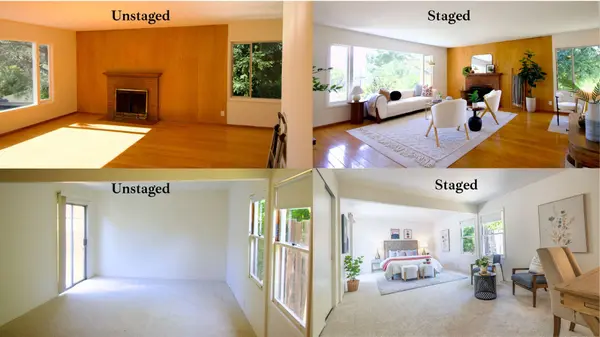
Starting January 1, 2027, a rental ad that uses a digitally altered or AI-generated image must carry a disclosure and include the unaltered original photo or a link to it. The rule applies to anyone advertising a rental, and for a licensed agent or broker a violation is also a licensing violation. That reaches virtual staging, AI-removed clutter or furniture, replaced skies or lawns, and generated rooms. Check the final bill text for the exact wording of the disclosure.
Why it’s easy to miss: Enhancement is often invisible to the owner. A photographer’s editing software, a listing platform’s auto-enhance button, or a virtual staging add-on can change an image without anyone calling it out. Listings are also syndicated to many sites, and an old ad you repost in 2027 is subject to the rule. Keep every original, ask your photographer and stager exactly what they alter, and add the disclosure before the ad goes live. A property manager can build this into the listing process so it never depends on memory.
MISTAKE #20 — FAILING TO OPTIMIZE THE PROPERTY BEFORE LISTING
One of the most overlooked opportunities in DIY management is the period before the listing goes live. Many homeowners post the property as-is without asking what small investments would allow it to lease at the top of its fair market range. In-unit laundry is consistently one of the highest-demand amenities among Bay Area renters. Updated kitchen appliances (now more important than ever under AB 628), fresh neutral paint, and well-kept landscaping all signal a property that’s well cared for and justify stronger rent. If a yard is part of the offering, the lease should state clearly whether maintenance is included. A professional property manager can walk through your home and tell you which upgrades will move the needle on rent and which are unnecessary expenses.
MISTAKE #21 — NOT CONDUCTING REGULAR PROPERTY INSPECTIONS
Many self-managing landlords don’t realize they’re legally permitted to conduct routine inspections, or they skip them to preserve goodwill with the tenant. Both are costly mistakes. Inspections done with proper notice are among the most effective tools for protecting your asset. A timely inspection can catch a slow leak before it becomes a mold problem, identify unauthorized occupants or pets, verify that lease terms are being followed, and surface maintenance issues while they’re still inexpensive. Documented inspections also create a record that is invaluable in a dispute over the condition of the property at move-out, particularly now that photo documentation is required for deposit deductions.
MISTAKE #22 — MISHANDLING PET POLICIES, ASSISTANCE ANIMALS, AND THE NEW WRITTEN POLICY RULE (SB 1296) | NEW APRIL 1, 2027
Pets are one of the most common sources of friction, and the rules aren’t what most owners expect. Pet deposits count toward the one-month deposit cap under AB 12, so you can’t stack a separate pet deposit on top of a full security deposit. Service animals and assistance animals are treated differently from pets. Under fair housing law, a tenant with a disability may request a reasonable accommodation, and you generally can’t charge pet rent or a pet deposit for an assistance animal or automatically reject the request because your lease says no pets. At the same time, you’re entitled to follow the proper process for evaluating requests when a disability or need isn’t obvious. Denying a request incorrectly, or demanding the wrong kind of paperwork, is a common way landlords end up facing a fair housing complaint.
A new rule adds a paperwork duty. Starting April 1, 2027, SB 1296 requires a written pet policy for every rental, whether you allow pets, restrict them, or ban them. The policy must appear on your property website, in your digital ads, and on rental search sites that support links, and a written copy must go with the application, with space for the applicant to acknowledge it. If you collect an application fee without providing the policy first, the applicant can request a refund, and you have seven business days to issue it. The law does not require you to allow pets, and minor errors you correct once notified are generally not violations.
Why it’s easy to miss: Most owners handle pets with one line in the lease, and many listings say nothing at all. Under SB 1296, that policy has to move to the front of the process, before any fee is collected, and your lease addendum has to match what you published.
MISTAKE #23 — FAILING TO KEEP RENTS COMPETITIVE WITH CURRENT MARKET VALUES
Self-managing landlords leave money on the table in one of two ways. They never increase rent at all, often out of discomfort or uncertainty about the rules, or they raise it too aggressively without understanding the legal limits, triggering the exposure described in Mistake #9. Knowing what your property should command right now takes real local market knowledge, not just a glance at Zillow. Rental rates shift with economic conditions, neighborhood dynamics, new supply, and seasonal demand. Be careful with rent-pricing software, too. Since January 1, 2026, AB 325 makes it unlawful to use or distribute a common pricing algorithm as part of a conspiracy to restrain trade, so understand how any tool you rely on arrives at its numbers. Underpricing is a permanent loss. A $200-per-month underpriced unit costs $2,400 a year, and over a multi-year tenancy the impact is substantial.
MISTAKE #24 — HIRING UNLICENSED OR UNINSURED SERVICE PROVIDERS
When something breaks at a rental, many self-managing landlords hire whoever is cheapest and fastest. That instinct can create serious exposure. If an unlicensed or uninsured contractor damages the property, causes a secondary problem, or is injured on-site, the liability can fall on you. California requires contractors to be licensed through the Contractors State License Board (CSLB) for work above $500. If an unlicensed worker is injured on your property, you may be treated as their employer under state law. Born Property Management maintains a vetted network of over 250 licensed and insured contractors throughout San Mateo County. We have no in-house service providers and receive no kickbacks for steering owners toward specific vendors, a conflict of interest that is common at other firms. We solicit competitive bids, handle vendor payments directly through your owner portal, and welcome owners to use their own preferred vendors, as long as they are licensed and insured.
MISTAKE #25 — OVERLOOKING YOUR HOA’S NEW REPAIR DUTIES IF YOU RENT OUT A CONDO OR TOWNHOME (AB 1892) | NEW JANUARY 1, 2027
Many Peninsula rentals sit inside a homeowners association. Starting January 1, 2027, AB 1892 requires an association to repair an interruption in gas, heat, water, or electric service when the interruption begins in the common area, and it changes the timing of election notices. This is summarized from the bill’s legislative digest, so confirm the details with your association or your attorney.
Why it’s easy to miss: A tenant who loses heat or water doesn’t call the HOA. They call you, and the habitability duty to the tenant is still yours. Owners often don’t know their association’s repair process, never saved the management company’s contact, and have no written record of when they reported the problem. Request repairs in writing and keep a log, since that record supports your request when a common-area outage affects your unit.
THE BOTTOM LINE
California’s rental laws have never been more complex or more rigorously enforced, and the pace isn’t slowing. In 2026, owners had to account for new appliance rules, deposit-return procedures, disaster protections, benefit-disruption safeguards, and internet opt-out rights. In 2027, add AI-photo disclosures, a wider emergency rent limit, stricter eviction service rules, new HOA repair duties, and a mandatory written pet policy. Layer on fair housing, just-cause rules, local ordinances, and required disclosures, and the question stops being whether you can learn the law once. It becomes whether you can keep up with it every year, on top of everything else in your life.
The smartest move a Bay Area homeowner can make is to partner with a professional property management company that knows this landscape inside and out. Born Property Management has spent over 24 years handling every aspect of the landlord-tenant relationship in San Mateo County and the greater Bay Area. We manage the entire process from start to finish: listing and marketing your property, communicating with prospective tenants in full compliance with fair housing law, conducting thorough and documented tenant screening, preparing legally current leases, handling move-in and move-out documentation, collecting rent, coordinating maintenance, and staying current on every change to state and local law so you don’t have to. We are proud members of the National Association of Residential Property Managers (NARPM), and our track record speaks for itself:
- An average 14-day turnaround from listing to signed lease
- A 24/7 maintenance hotline, so you’ll never receive a late-night call
- A near-zero eviction rate, with only 1 eviction in the last 14 years
- An average tenant stay of 4.5 years through our Active Lease Renewals Program
- Proactive Emergency Readiness Plans for all tenants
The day-to-day responsibilities of being a landlord are time-consuming enough. The legal complexity of doing it correctly in California is another matter entirely. Let the professionals who have been doing this for over two decades handle the details, and protect yourself from the risks that come with going it alone.
To learn more about how Born Property Management can help, contact us today for a free consultation.
Zachary Wooster
DRE# 02249351
zack@bornre.com
650-229-8529
Born Property Management | San Mateo County & Greater Bay Area
bornpropertymanagement.com
Born Property Management CA LIC 02002900
This article is for educational purposes only and does not constitute legal advice. For matters specific to your property, please consult a licensed California attorney.
Categories
Recent Posts